
Plaster corset, painted and decorated by Frida Kahlo, Museo Frida Kahlo. © Diego Rivera and Frida Kahlo Archives, Banco de México, Fiduciary of the Trust of the Diego Rivera and Frida Kahlo Museums.
I so, so loved seeing Frida Kahlo: Making Herself Up at the V&A when I was in London earlier this month.
Despite finding the haunting soundtrack they bled into every room a bit emotionally manipulative, I felt that the exhibition - full of personal belongings and artefacts exhumed after 50 years from a locked room in her house, La Casa Azul, in Mexico City - powerfully cut through so much of the myth about her, absolutely anchoring her life and work and extraordinarily wonderful, powerful sartorial choices in her body.

The plaster casts and steel braces; her prosthetic leg; her many medicines and the details of her pain – so much pain – brought a real clarity and urgency to her work. To create such visceral, clear-sighted, provocative works despite and because of her pain, I’m just in awe really of her intense female energy. To have her passion and anger and vision, when so many others would have foregone their politics and aesthetic agendas for painful solitude and defeat, I was profoundly moved actually. And I also really, really loved – thinking about her jewellery – how she used it to do and say so many things – about herself and about Mexico. Jewellery really can be this extraordinarily powerful, subtle tool for communication if you wear it right…
There’s so much more to say about Kahlo, her work, the exhibition, the god awful, tasteless shit they were selling in the giftshop (I can’t imagine how the socialist Kahlo would have felt about £45 floral headbands being sold in her name…) but really, for me - it was about that visceral, tangible connection to her pain and her clarity of purpose.
OTHER POSTS
-
2026
- Feb 2, 2026 NAVA Educator Guide: Introduction to Committing to Meaningful First Nations Projects in Education Settings Feb 2, 2026
- Jan 14, 2026 Art Guide Australia: The Beguiling Art of the Boyd Women Jan 14, 2026
- Jan 5, 2026 Routledge publication: Youth Programs in Art Museums - An International Perspective Jan 5, 2026
-
2025
- Dec 17, 2025 Art Guide Australia: Field Notes. A Grassroots Approach to Public Art Dec 17, 2025
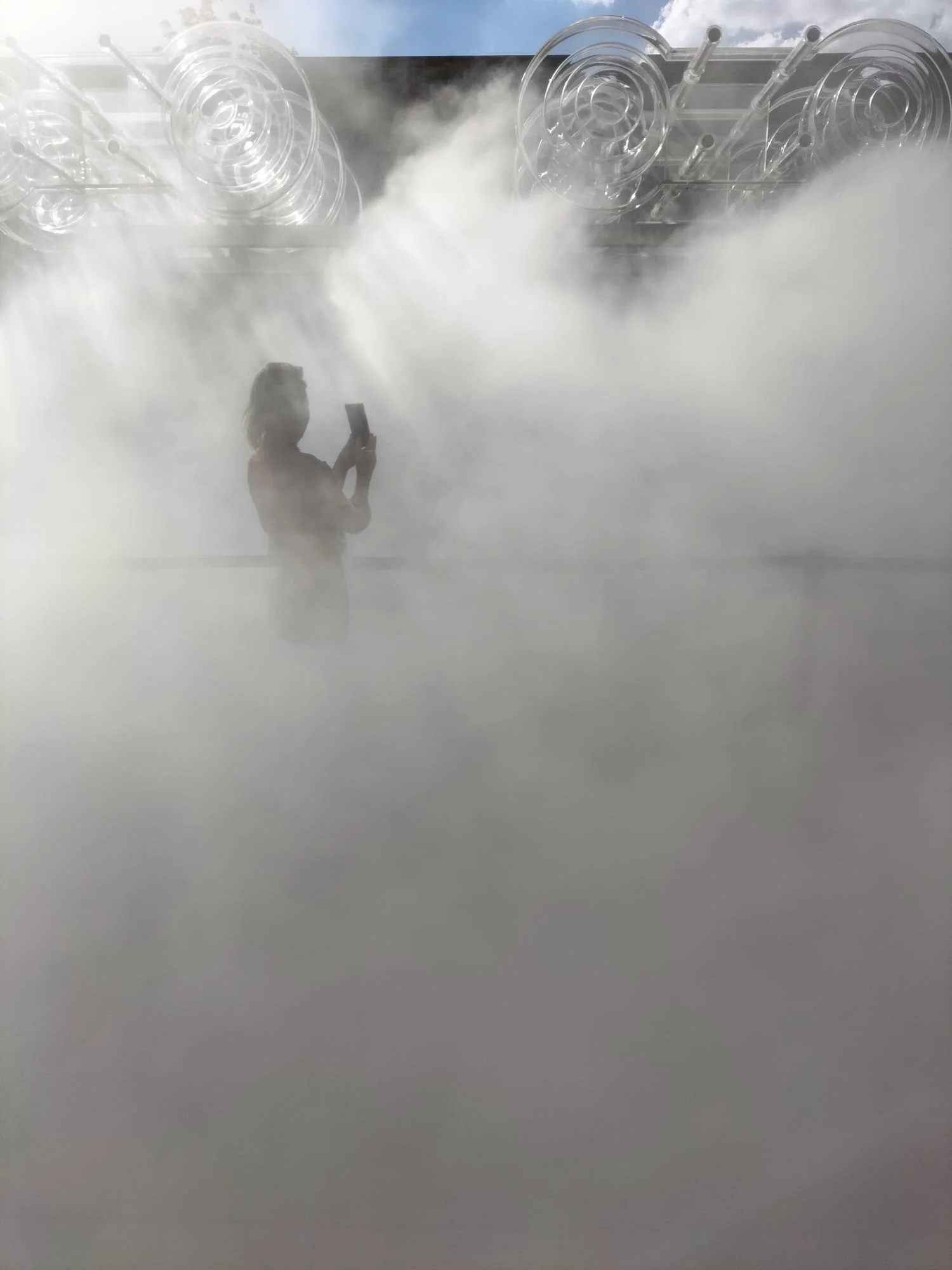
- Dec 10, 2025 Olafur Eliasson: PRESENCE, Queensland Art Gallery | Gallery of Modern Art Dec 10, 2025
- Oct 15, 2025 Art Guide Australia: Material curiosities, MCA Primavera Oct 15, 2025
- Aug 28, 2025 Berlin trip: Connected Audiences Conference and some Art, Art, Art.... Aug 28, 2025
- Jul 2, 2025 Art Guide Australia: Studio profile of Monica Rani Rudhar Jul 2, 2025
- May 5, 2025 ABC Arts: Lauren Brincat, When do I breathe? May 5, 2025
- Apr 23, 2025 Art Guide Australia: Tina Havelock Stevens Apr 23, 2025
- Apr 5, 2025 Connected Audiences Conference - Culture & Young People: What could possibly go wrong? Apr 5, 2025
- Apr 4, 2025 ABC Arts: Thinking Together at Bundanon Apr 4, 2025
- Apr 2, 2025 Collecting: Living with Art book launch Apr 2, 2025
- Mar 7, 2025 Art Guide Australia: Mystery Road - Zanny Begg profile Mar 7, 2025
- Feb 4, 2025 Art Guide Australia: Home Truths - feature story Feb 4, 2025
-
2024
- Dec 21, 2024 ABC Arts: Yayoi Kusama at NGV International Dec 21, 2024
- Dec 2, 2024 Artlink magazine's 'Hyphen' issue published Dec 2, 2024
- Nov 25, 2024 Art writing workshop with Woollahra Art Gallery Nov 25, 2024
- Aug 3, 2024 Los Angeles art binge Aug 3, 2024
- Mar 11, 2024 Biennale of Sydney opening & publication Mar 11, 2024
- Mar 9, 2024 Melbourne work trip Mar 9, 2024
- Feb 10, 2024 NGA National Young Writers Digital Residency launches Feb 10, 2024
-
2023
- Dec 6, 2023 Teen Program Symposium: Walker Art Center Dec 6, 2023
- Jul 26, 2023 Sydney Morning Herald: Hustle Harder Jul 26, 2023
- Jul 21, 2023 Publication day! Museum Teen Program How-To Kit Jul 21, 2023
- Jul 20, 2023 Sydney Morning Herald: "A lesson in listening" Jul 20, 2023
- Jul 4, 2023 Art Party at The Condensery Jul 4, 2023
- Jun 13, 2023 Sydney Morning Herald: "These artists shared their work via post, now the paint is almost dry on the result." Jun 13, 2023
- May 18, 2023 Panel talk: Australian Museums & Galleries Association National Conference May 18, 2023
-
2022
- Dec 1, 2022 Published outcomes - National Gallery of Australia: Digital Young Writers Mentorship Dec 1, 2022
- Nov 29, 2022 ABC Arts: 'Air' at QAGOMA Nov 29, 2022
- Aug 28, 2022 The Condensery - Somerset Regional Art Gallery: new youth engagement project - 'Things I Want To Say' Aug 28, 2022
- Aug 13, 2022 ABC Arts: Megan Cope is building a living, breathing artwork on Minjerribah Aug 13, 2022
- Jul 21, 2022 Exhibition essay: Topographies of painting - Gregory Hodge, Sullivan + Strumpf Jul 21, 2022
- Jul 2, 2022 ABC Arts: Richard Bell at documenta fifteen Jul 2, 2022
- Feb 28, 2022 National Gallery of Australia: Digital Young Writers Mentorship Feb 28, 2022
- Jan 5, 2022 Journal of Museum Education article: "Pockets of Resilience - the Digital Responses of Youth Collectives in Contemporary Art Museums During Lockdown." Jan 5, 2022
-
2021
- Nov 13, 2021 ABC Arts: Tarnanthi Nov 13, 2021
- Oct 27, 2021 A New Approach: Enduring Foundations, Bold Ambitions Oct 27, 2021
- Oct 16, 2021 Churchill Chat - Equity, Inclusion & the Impact of COVID-19 on the Arts Oct 16, 2021
- Aug 24, 2021 Art Collector: Pull Focus interview with Abdul Abdullah & Abdul-Rahman Abdullah Aug 24, 2021
- Aug 8, 2021 ABC Arts: Dean Cross and a spotlight on the work of Australia's regional galleries Aug 8, 2021
- Jun 30, 2021 ABC Arts: Hilma af Klint - The Secret Paintings at the Art Gallery of New South Wales Jun 30, 2021
-
2020
- Oct 24, 2020 Raise your voice: young people in the arts Oct 24, 2020
- Oct 1, 2020 Art Collector: Pull Focus interviews for Sydney Contemporary Oct 1, 2020
- Sep 4, 2020 Recommended reading - Teen Vogue Sep 4, 2020
- Jun 8, 2020 SAMAG Talk - Bringing it home: Innovation & Ideas from the Churchill Fellowship Jun 8, 2020
- Jun 1, 2020 MCA GENEXT Goes Online Jun 1, 2020
- May 23, 2020 Vale Frank Watters - Artlink magazine May 23, 2020
-
2019
- Nov 19, 2019 Churchill Fellowship Report - findings Nov 19, 2019
- Aug 21, 2019 Upcoming SAMAG Panel - Youth arts: why we should care what young people think Aug 21, 2019
- May 10, 2019 By young people for young people - A report on the impact of GENEXT at MCA Australia May 10, 2019
- Feb 1, 2019 Art Collector Issue 87: 50 Things Collectors Should Know Feb 1, 2019
-
2018
- Nov 23, 2018 Artist texts: Clare Thackway Nov 23, 2018
- Oct 29, 2018 Announcement of Churchill Fellowship 2018 Oct 29, 2018
- Sep 30, 2018 Frida Kahlo at the Victoria & Albert Museum Sep 30, 2018
- Sep 7, 2018 Elizabeth Willing profile for Art Collector magazine Sep 7, 2018
- Aug 2, 2018 Beyond Community Engagement: Transforming Dialogues in Art, Education and the Cultural Sphere Aug 2, 2018
- Jun 21, 2018 Spotlight on MCA Young Guides Jun 21, 2018
- Feb 1, 2018 Art Collector Issue 84: Undiscovered Feb 1, 2018
-
2017
- Aug 30, 2017 Skulptur Projecke Münster 2017 Aug 30, 2017
- Jul 26, 2017 Te Tuhi Talks Jul 26, 2017
- Apr 2, 2017 New role: Museum of Contemporary Art Australia Apr 2, 2017
- Jan 19, 2017 Louise Paramor profile for Art Collector magazine, issue 78 Jan 19, 2017
-
2016
- Dec 1, 2016 Craft Council UK – Make:Shift conference, Manchester, 10-11 Nov, 2016 Dec 1, 2016
- Oct 30, 2016 Alison Croggon on the arts funding crisis and the importance of criticism Oct 30, 2016
- Apr 27, 2016 Lottie Consalvo: mid-fall, Alaska Projects Apr 27, 2016
- Mar 18, 2016 20th Biennale of Sydney: The future is here it's just not evenly distributed Mar 18, 2016
-
2015
- Nov 22, 2015 Celeste Boursier-Mougenot at the NGV Nov 22, 2015
- Sep 22, 2015 Educating People Like Us Sep 22, 2015
- Aug 2, 2015 What It Means to be Me, Western Plains Cultural Centre, Dubbo, 26 July 2015 Aug 2, 2015
- Jul 12, 2015 More Marina Magic Jul 12, 2015
- Jul 12, 2015 Art Collector cover story Jul 12, 2015
- Jun 25, 2015 Lessons learnt: Kaldor regional progress report Jun 25, 2015
- May 5, 2015 Kaldor pilots regional engagement project May 5, 2015
-
2014
- Aug 21, 2014 Melbourne Art Fair 2014 Aug 21, 2014
- Jun 24, 2014 Fresh Faces Symposium: Art Gallery of New South Wales Jun 24, 2014
- May 24, 2014 REVIEW: Sleepers Awake, MCA C3West Project, Bungaribee May 24, 2014
- Feb 20, 2014 Kevin Chin profile for Art Collector magazine Feb 20, 2014
- Feb 9, 2014 Artlink review: 21st Century Portraits Feb 9, 2014
- Jan 12, 2014 REVIEW: Christian Boltanski, Chance, Carriageworks Jan 12, 2014
-
2013
- Sep 20, 2013 The problem with 'Australia' Sep 20, 2013
- Sep 4, 2013 Margate: An away day and a visit to Turner Contemporary Sep 4, 2013
- Jul 28, 2013 A round-up: Miles Aldridge, Somerset House; Katharina Fritsch, Fourth Plinth, Trafalgar Square; Michael Landy, ‘Saints Alive’, National Gallery Jul 28, 2013
- Jul 21, 2013 Peckham weekends Jul 21, 2013
- Jul 11, 2013 Harpa Concert Hall, Reykjavik Jul 11, 2013
- Jun 4, 2013 St Paul-de-Vence Jun 4, 2013
- May 30, 2013 A visit to Paul Cezanne's studio May 30, 2013
-
2012
- Oct 30, 2012 REVIEW: DOCUMENTA 13, Kassel, Germany Oct 30, 2012
- Oct 28, 2012 Tino Sehgal, These Associations, Tate Modern, London Oct 28, 2012
- Aug 4, 2012 Jeremy Deller, Sacrilege, Burgess Park, London Aug 4, 2012
- Apr 14, 2012 REVIEW: Martin Creed, Sketch Nightclub, London Apr 14, 2012
-
2010
- Jul 19, 2010 Christian Boltanski, Les archives du coeur, Serpentine Gallery, London Jul 19, 2010
- Jul 9, 2010 REVIEW: 1:1 Architects Build Small Spaces, Victoria & Albert Museum, London Jul 9, 2010
- Jul 5, 2010 REVIEW: EXPOSED: Voyeurism, Surveillance & the Camera, Tate Modern, London Jul 5, 2010
- Jun 21, 2010 REVIEW: Sean Scully New Work, Timothy Taylor Gallery, London Jun 21, 2010
- Jun 14, 2010 Yinka Shonibare MBE, “Nelson’s Ship in a Bottle”, Fourth Plinth, Trafalgar Square Jun 14, 2010
- May 20, 2010 REVIEW: Céleste Boursier-Mougenot, Barbican Centre, London May 20, 2010
- May 16, 2010 REVIEW: Decode: Digital Design Sensation, Victoria & Albert Museum, London May 16, 2010
- May 9, 2010 REVIEW: Olafur Eliasson: Take Your Time, Museum of Contemporary Art, Sydney May 9, 2010
-
2009
- Dec 1, 2009 REVIEW: Anish Kapoor, Royal Academy of Arts Dec 1, 2009
- Mar 27, 2009 REVIEW: Mythologies, Haunch of Venison Mar 27, 2009
-
2008
- Sep 17, 2008 REVIEW: Suzanne Treister, ALCHEMY, Annely Juda Fine Art Sep 17, 2008